Cape Town, South Africa

Cape Town, South Africa
Serving it up at Manenberg Primary!

Wednesday, October 12, 2016

Travel Hiccups and Unexpected Blessings

Greetings, everyone! I hope you are doing well. I am currently en route to Vienna, Austria, to spend some time touring the city, meeting some friends, and simply enjoying life! Up until this point, I have been in Prague and Budapest, encountering extremely nice people along the way.


Three brief highlights I’ll share:


1. I took my first overnight train! It was actually quite lovely. I’m not sure how restfully I slept, but am grateful to have experienced this efficient travel option :)


[Hehe this is the only time I’ve ever taken a mirror selfie … while in Europe! :)]


2. Two friends were supposed to accompany me on this week of traveling - covering Prague, Budapest, Vienna, and Interlaken, Switzerland in one week - but had to cancel due to unforeseen conflicts. That was really sad to hear, so taking this trip alone has hit me harder than expected. Surprisingly, I haven’t run into a lot of Americans while traveling. Perhaps this is due to the higher costs of getting over to Europe, the time of year, random chance, etc. So, when I do have an opportunity to spend time with fellow Americans, it is quite meaningful. While on a walking tour in Prague, I ran into a trio of Americans who were incredibly inclusive and kind to me.
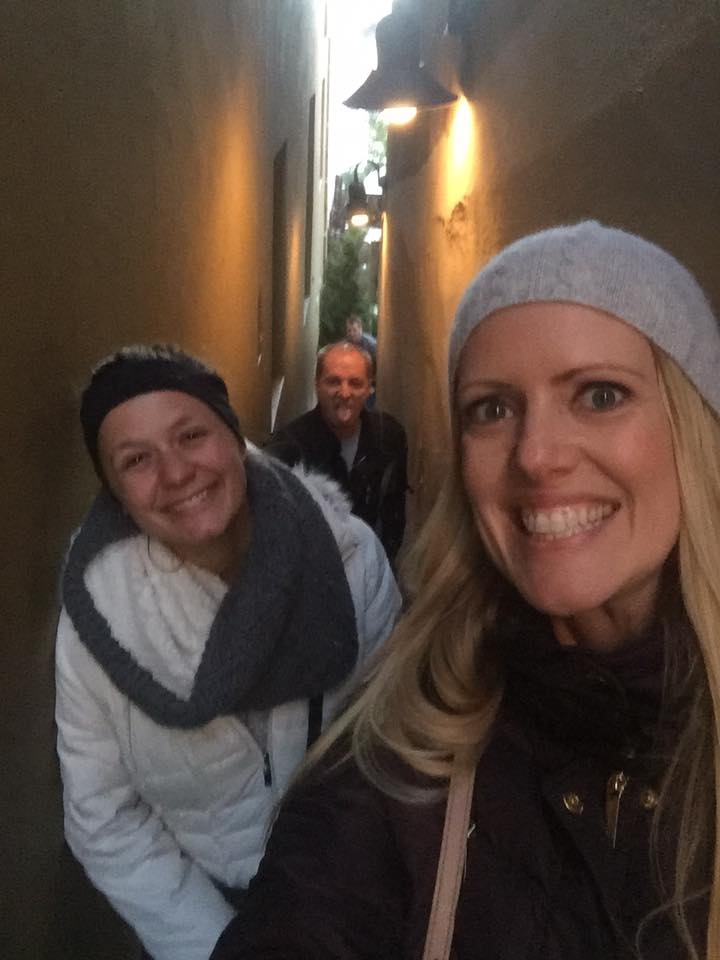


[This really brightened my spirits. In the cold, dreary weather of Prague, it was amazing to spend time with cheerful, engaging people!]

3. My last highlight was going out with an Italian (an excellent English speaker) and two Russians (not so excellent English speakers … but they were trying!) last night to a Latin dance bar. I had learned a little bit of salsa and bachata in college, but otherwise no one had danced latin style before. So, cue semi-awful dancing, mistranslations and missteps, and a whole bunch of laughter while on the dance floor. But hey, we had a blast.


[Ok, we weren’t that bad. Everyone else was just really good hahaha.]


Anyways, to get onto the content that informs this blog’s title, “Travel Hiccups, Unexpected Blessings,” I have had quite the dramatic week! The biggest news that I learned is that I will not be able to go to Spain, Portugal, or Germany over the next three months. Why? Read on.


The Schengen Zone: The bane of my Keegan existence
I am not sure of how I missed this while preparing for my trip - other future European travelers, beware! In Europe, there is a 26-country wide coalition called the Schengen Zone. It includes almost all EU countries, minus a few in southern Europe and the United Kingdom. Americans are only allowed to travel within the Schengen Zone for 90 days out of a 180-day window. I was not aware of this until two days ago, and I have spent over 70 days in the Schengen Zone. It was a huge blessing to discover this before I went over 90 days (shout out to the Americans who patiently explained this to me while in Budapest, despite my impatient disbelief...), otherwise I would have been deported, received a hefty fine, and may been banned from visiting the Schengen Zone for 5 years…


So I am grateful to have caught that. However, this means my travel itinerary will be taking a U-turn, and now I am headed south. So long Portugal and Spain, and hello to Croatia and Serbia!
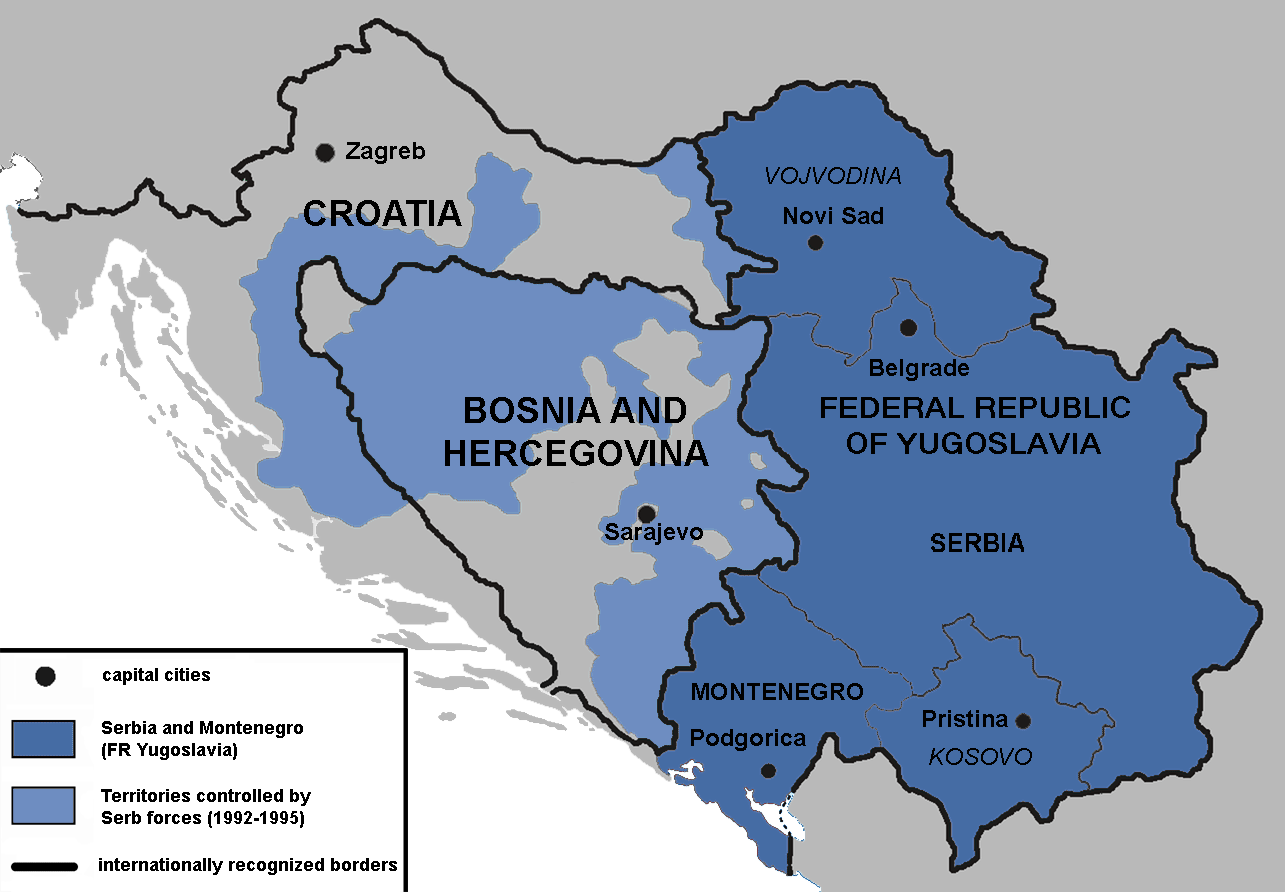


[I mean, I’m not complaining, these countries are gorgeous!]


I haven’t checked to see if Croatia or Serbia have national school lunch programs (I did not have much choice in where I could travel outside of the Schengen Zone while staying in Europe), so I may study Spain and Portugal’s programs from afar. Resources have been extremely fruitful, so I have no doubt that I will continue to learn and grow wherever I go.


An unexpected blessing: Reestablishing priorities and self-direction
Since I found out about the Schengen Zone so late - I was supposed to be in Portugal on Monday - there were some plane tickets, train tickets, and lodging monies that were lost in the process. Earlier this week, I had also lost a large sum of money in purchasing the wrong train ticket in Germany. The puppy dog eyes can only help so much …


Losing a lot of money was quite stressful; I am unashamedly frugal, and can become quite distressed when I lose money for silly mistakes. Schengen Zone? Silly mistake. German train ticket? Silly mistake. Silly mistake + silly mistake = anxiety.


However, my situation did not turn out like that equation.


Over the course of my Keegan experience, I have made a series of small monetary mistakes: unknowingly shopping at the more expensive supermarket, purchasing single transit tickets rather than a travel card, losing and repurchasing an umbrella. As each mistake unfolded, I began to question the anxiety I was experiencing. Was becoming stressed helping my situation?

Furthermore, what does this stress say about my values and character?


Undoubtedly, money is important for staying alive and being comfortable. I would argue there is a self-defined threshhold for living comfortably. My Keegan experience is revealing that I often value money above that threshhold; there is an indiscrepancy between what I need and what I think I need.


Where do my priorities lie? In haboring my money, or in more deeply-rooted things? And, how can I realign my values to reflect the person I want to be, my family and friends want me to be, in whom God wants me to be?


Well, the major realignment started this last week. The German transportation fine? Made me cry (it had been a stressful day), but I put it into perspective and made it less important. The Schengen Zone fiasco? I freaked out a little more, but it was put into perspective and made less important. I am emotionally-internalizing that money does not define my existence, my happiness. A huge shoutout goes to my mom for helping me calm down from the Schengen Zone fiasco, she provided wisdom when I needed it most.
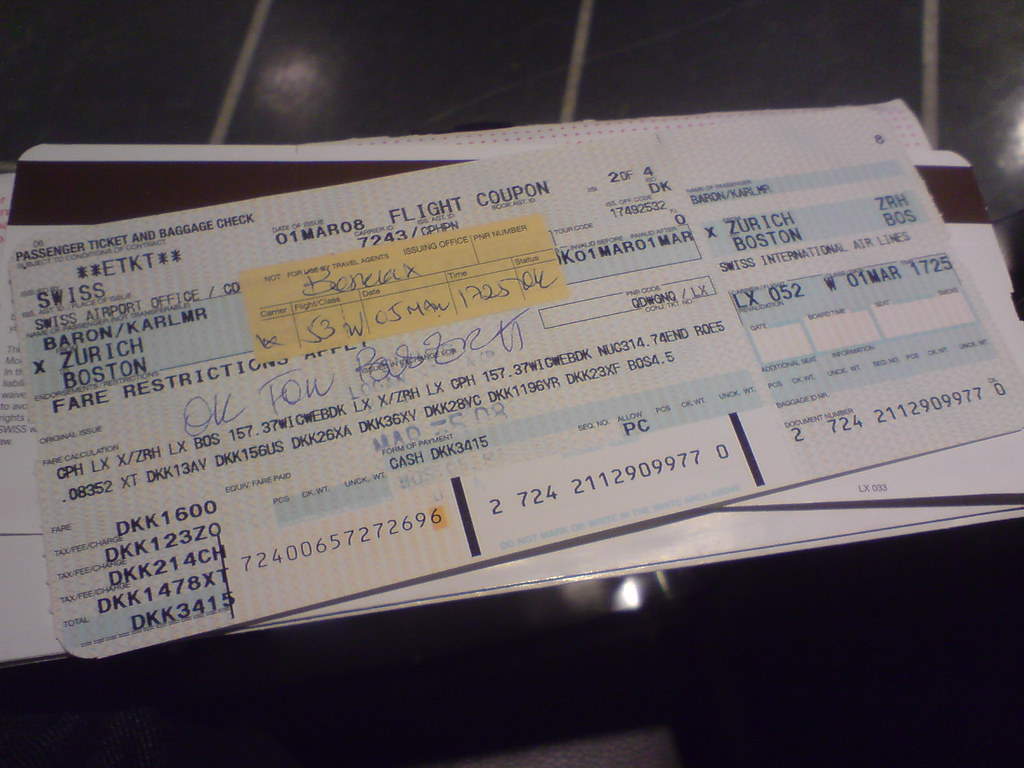

[Changing my itinerary, excited to head to Croatia soon!]


A travel hiccup turned into one of the most valuable lessons I’ve learned in my lifetime. But I still don’t like the Schengen Zone. At all. ;)


So, now I turn to you. Where do your values lie? In matierals, in wealth, or in something more stable, more fulfilling? If you have any wisdom for me, or a story to share, please comment below. I’m slowly developing into the person I want to be, and would love to hear any feedback that could aid in that process.

Peace,
Erin

Saturday, October 1, 2016

Carrots “recreating” culture: Self-Reliance in Finland and Sweden

Hi everyone! I hope you are doing well. This morning I am grabbing coffee (and doing work, between joyful conversations) with my wonderful friend, Cayenne. She is studying abroad in Copenhagen, Denmark, and getting to spend time with her has been incredibly life-giving.

 [At Cafe Retro, a nonprofit cafe that sends all profits to charities in Africa]


I’ve noticed that over time, my conversations with fellow travelers are roughly the same:

“Where are you from?” - America
“Where in the US?” - Minnesota
“Where is that?” - … directly up from Texas, right below Canada?
“How long are you traveling for?” - For a year, because I am doing research
“What are you researching?” - National School Lunch Programs

… and then a few more questions follow. Repeat, repeat, repeat. When traveling frequently, it is difficult to find and nurture deeper friendships. So, when I run into friends like Cayenne, it is a breath of fresh air. She knows where I am from, where I have been, and doesn’t feel the need to ask - we just pick up where we left off!

[On a bridge over one of the many lakes in Copenhagen!]


Speaking of picking up where I left off, today I want to talk about a cultural phenomenon that extends to all of Scandinavia - Sweden, Finland, and Denmark (and probably Norway, as well - I just haven’t been there!). The national school lunch programs in these countries are a vehicle to promote a cultural characteristic of Scandinavia: self-reliance and responsibility.

Self-Reliance in Finland and Sweden

From a young age, Scandinavian children are taught to be autonomous, self-reliant individuals. Personal responsibility is one of the most important traits in society, according to the locals I have met in Sweden and Finland; I have seen 7 year olds riding the tram alone, 4 year olds riding bikes unsupervised, and young students using knives in the Swedish lunchroom.

But how do these children learn to be self-reliant? Well, one way is through the national school lunch program. In America, when a child enters into the lunchroom, he is instructed to wait in line. Then, he is served by a lunch lady (or man!) and is given a specific amount of each food. So, every lunch tray theoretically looks the same - the child has little say in the matter.* I don’t suggest that this is wrong or bad - just different, very different - from Scandinavian lunchrooms.

When a student enters into a Swedish or Finnish lunchroom, there are many choices he has to make. He can take any amount of any dish - or none at all - and must serve himself. While this sounds slightly underwhelming, picture this: a kindergartner steps up to the food section to serve himself soup. First, he must open the hot vat, pick up a ladle, and coordinate his hands to successfully get it into the bowl. Hehe, so cute.


Or, imagine kindergartners cutting their own chicken breasts. Seems difficult, right? While difficult, this is a step that school officials take so their students begin building self-responsibility and autonomy. The student must decide what is an acceptable amount of food to take, and which foods to take more or less of.

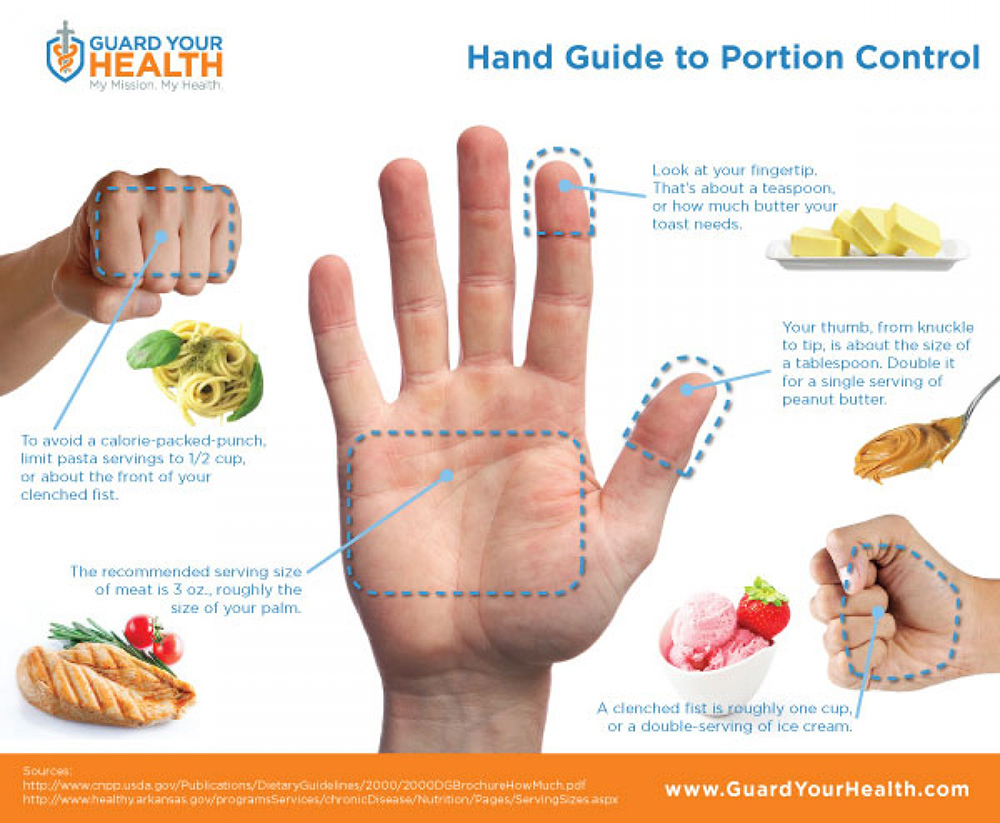
Consequences are built in; if the child does not take enough food, he will be hungry. If he takes too much, he stands the risk of being chastised for wasting food. Thus, increasing autonomy has a great byproduct: understanding portion size, which is incredibly important for a child’s future health outcomes.

[A helpful guide to portion size]

School lunch provides a consistent, safe opportunity for children to make choices, take “risks” (“Should I try beetroot or not…”), and face the consequences of their choices. Sure, there may be a few spills here and there, a few burnt tongues, but it begins to instill the cultural characteristic of self-reliance in Scandinavian students.

Thank you again for taking the time to read through this post, I appreciate it so much. I will talk to you soon! There will be some delays in my writing over the next two weeks, as I will be taking some time to travel with friends.

Peace,
Erin

* Even though the traditional lunch line is still heavily prevalent in American lunchrooms, American students are having increasing amounts of autonomy to choose the foods they want to eat. For example, many schools are introducing a salad bar that the student gets to pull from. Though the entree options are still served by adults, the child can now choose their own salads.

Monday, September 26, 2016

Finland: The Basics

Finland: The Basics

G’day mates, as my new Aussie friends have taught me :) I hope you are having a fulfilling day! I am writing from my hostel in Brussels, Belgium, an unexpected, yet pleasant, resting spot. See, I was intending to stay in Stockholm until September 26, but I accidentally booked my housing for September 16 … so, I made a spur of the moment decision and come to Brussels.


[The amazing Jubelpark]


I was not the largest fan of Brussels at first, but throughout the week, I’ve seen beautiful scenes and had great conversations to change my perception. My favorite spot is the Jubelpark, a gorgeous park that spans for kilometers. My favorite foodie spot is a patisserie that isn’t on Google Maps - but it has amazing baked goods for a steal. I got a huge croissant for a euro - that simply doesn’t happen in Brussels!

[Well, it's a piece of the amazing croissant ...]


Visiting the Finnish school lunch program may seem like a long time ago, I’ve continually been mulling over the program in my mind. However, before I talked about the program, I think it is important to contextualize the program by talking about Finland’s fast facts, as well as its educational, political, and cultural structure.


Population: the population of Finland is almost 5.5 million people. Seems small, doesn’t it? Well, it is. The population density is so low in Finland, that every citizen could own 23 square miles of the country. This is important to keep in mind because there are more American children in school than the entire population of Finland. There are 50.4 million students in American schools, in comparison to 900,000 students in Finnish schools. Population has multiple potential influences on the school lunch program: the Finnish government can afford to spend more than American government on meals … but meal costs are less expensive in America due to economies of scale. I can’t predict the power of these two phenomena (why I am an anthropology major, not a statistics major), but want to point out the large difference in population.


Political and economic system: The Finnish government is comprised of an Executive branch (a weaker president and stronger Prime Minister), Legislative branch (Parliament, I would argue the most powerful branch), and Judicial branch. The Parliament, called “Eduskunta,” typically has 8-10 parties represented. I mention this (and will make a post about this later) because the Eduskunta is currently debating rescinding several of its most progressive education and social policies - which directly impacts the school lunch program. More about this later. ;)

The Finnish economy is worthy to note, too. One word: taxes. Taxes, taxes, taxes. Take a look at the income tax rate below:

Taxable earned income (euros)
Basic tax amount
Rate within brackets
16,700–25,000
8
6.5%
25,000–40,800
547.50
17.5%
40,800–72,300
3,312.50
21.5%
72,200–
10,085
31.75%


Some readers are cringing, while the liberal inside of me dances for joy. The Finnish government taxes its citizens at high rates, but these funds are used for free education (K-12 and college) and other public services such as healthcare, childcare, and social net programs. The Finnish national school lunch program is a direct recipient of this tax system, allowing the government to provide every child with free meals in school.


Education in Finland


Inherent educational differences: Without throwing America under the schoolbus (haha, get it?), Finland’s education system outperforms America’s education in nearly all measures. If you have never seen Waiting for Superman, check it out - it’s a jarring documentary that compares the American and Finnish public school systems. But not only is student achievement indicative of a better school system, but Finnish teachers are treated significantly better than American teachers. While teaching is considered a “fallback” career in America (Have you ever heard the quote, “Those who can’t do, teach?” It’s awful.), a Finnish teaching candidate needs a master’s degree to even apply to teach. Furthermore, the job acceptance rate for elementary school educators is less than 10 percent in Finland.

What?


Those are similar rates to American medical and law school acceptances, to investment banking job offers … whereas in America, there are schools that do not have enough teachers on the roster.  Having been in both Finnish and American schools, I can attest to a fundamentally different mindset … it’s hard to describe, but just being present in these two systems feels different. I’ll see if I can articulate this feeling in the future, and will edit this post accordingly.

In my next post, I will discuss the evaluative measures the American and Finnish programs do (or don’t) use :) Thank you all for your patience in waiting for a new post, I’ve been applying for a conference (using this research!) that has taken up a lot of my time. Hopefully I’ll get to present - I’ll let you guys know as soon as I know!

I’ll leave you guys with this picture I took of a menu from Dandoy Waffles in Brussels, Belgium. It made my day. :) I hope something makes your day, too!


Peace,

Erin


Monday, September 19, 2016

Swedish food highlights: Chokladboll and Prinsesstårta

Swedish food highlights: chokladboll and prinsesstårta

Hello everyone! Greetings from Stockholm, Sweden! Are you well today? I was smacked by a dreadful cold over the past week, and am finally starting to feel better. My head is finally feeling normal again - this emoji expresses how much pressure there was in my head over the last few days:
Anyway, if you haven’t recognized my patterns of posting about food highlights, most of the highlighted foods are baked goods or sweets. :) I eat healthily, and also have the rule that I can try a dessert if I have never had it before (assuming it looks appetizing), and if I could not reasonably find it in the US. I feel like it is my duty to try the unknown sweet - you know, sometimes you have to take one for the team! So, here are some of my highlights from Sweden.

Chokladboll, aka Chocolate + coconut heaven


When I first saw this delectable chocolate ball, which is slightly smaller than a baseball, I was in a mad dash to catch a train from Stockholm to Uppsala. However, I was also starving. And, hungry Erin = grumpy Erin. Haha, I wish I were joking.

So, I quickly stopped at a bakery to grab a sandwich, and splurged to purchase a chokladboll (they cost 25 swedish kroner, which is around $3 USD). Then I quickly boarded my train. After a brief moment to decompress, I bit into this chokladboll …


I was surprised by the texture; I expected the texture to be like American fudge, but the ball was more pliable and more moist. It was absolutely delicious. It is made of butter, chocolate, sugar, butter, oats, vanilla, butter, and is usually garnished with coconut or chocolate sprinkles (for all those coconut-haters out there). Instead of being baked, these balls are hand-made and then chilled before serving.

There doesn’t seem to be an extensive history behind chokladbollar, with the exception of a controversial name change in the 1990s. Now, with a more-inclusive name, this dessert is absolutely amazing!

Prinsesstårta


[It is hard to tell in this picture, but the princess cake is dome-shaped.]

When you see Prinsesstårta for the first time, the cake will undoubtedly put a smile on your face. The green color of the marzipan frosting could “theoretically” be off-putting, but it really just brings joy (and hunger) to those who see it in a bakery window.

The cake is made of alternating layers of sponge cake, pastry cream or jam, and a thick layer of whipped cream. The top of the cake is covered by the marzipan topping (marzipan = almonds + sugar) and powdered sugar. The marzipan makes it more cumbersome - and more fun - to eat, because the outside is a little gummy and gooey. Amazing.


Hehe. The cake first came into being in 1948 when Jenny Åkerström published her cookbook, Prinsessornas Kokbok. She taught Prince Carl’s (Duke of Västergötland) daughters, and this cake was their favorite. So, naturally, it became known as “princess cake” in Sweden.

This cake is time-intensive, it takes a lot of time to make the various layers, get the marzipan just right, and assemble it without it toppling over …


Wowza. Hope you enjoyed these pictures like I did - almost as much as the desserts themselves! ;)

Peace,
Erin

Tuesday, September 13, 2016

The Beginning of the End: Italia

The Beginning of the End … Italia

Hello to you! I hope you are happy, whenever this writing reaches you. If not, perhaps this video will cheer you up ;)


I went to the ABBA museum yesterday (it’s the only museum I can justify paying for!) and IT WAS AMAZING!! Here’s a video of me as the fifth member of ABBA - So I guess the new band’s name is… ABEBA? :D

Back to reality, and my day job. Today is the final installment of the Italian School Lunch Program - hence the name of this blogpost, “The Beginning of the End - Italia.” I am amazed at how quickly this experience is going by, and a little overwhelmed, too. When I first learned I got the Keegan Fellowship, I felt a wave of joy, then gratitude, and then doubt and anxiety. The idea of traveling abroad for a full year alone was nerve-racking. For awhile, I rode an emotional roller coaster of feeling complete self-confidence and empowerment, to feeling fear and hopelessness (“What if” questions are always my least favorite and least-productive questions).

But, I did it, and I am doing it. I am about 15 percent of the way into my fellowship, and am experiencing unprecedented levels of confidence and self-efficacy. Being self-reliant, curious about the unknown, and finding joy in moments of solitude have been incredibly liberating.

*Peaceful sigh*

I digress, onto the politics of the Italian school lunch program.

This post covers the “politics” of the program. I am using “politics” as an umbrella term to cover governmental oversight and the general political processes that I find noteworthy.

1. Complete decentralization allows for regionally-specific laws to be passed efficiently.


In March 2016, a Gallup poll found that only 13 percent of Americans approved of Congress. Over the last year, Congressional approval has fluctuated between 11 and 16 percent, as many Americans are frustrated by the inaction and perpetual impasse in Congress. Very little substantial legislation is passed by Congress since it is so polarized.

In the context of the US National School Lunch Program, passing laws for this program has become increasingly difficult. While passing regulatory laws (aka, nutritional content, where the food comes from) typically receives bipartisan support, the increased funding that is required often creates tension between political parties - aka, the budget is disagreed upon. In essence, it is difficult to pass lunch laws.


In contrast, the Italian school lunch program is decentralized to the point where regional lawmakers pass laws for their regions - there is no federal oversight. For example, Umbria passes laws for the Umbrian canteens, and Rome passes laws for Rome’s canteens. This has two direct results: laws are passed quickly (in comparison to the American program), and laws are more aptly fit to the region.  

Like US regional politics, regions in Italy are politically-distinct; northern Italy tends to be more liberal, while southern Italy tends to be more conservative. Sounds like the US, eh? ;) By having regional laws govern the Italian school lunch program, regional governments are better able to bypass the conflicts that could occur at the federal level.

Further, regional oversight results in passing laws that embody the region’s needs. For example, if Rome needs to reduce the sodium intake and Florence needs to increase the amount of organics in the program, these regional governments will pass laws to address these individual problems. You may think, “Are there really that big of differences between regional school lunch programs?” Oho, having been in Minnesotan and Tennessean/Virginian schools, I can give an emphatic YES. Haha.


[Alabama]

[Minnesota]


2. The situation of the national school lunch program in governmental structure

There is a major difference between the positioning of the US and Italian programs in the larger governmental structure.  In America, the national school lunch program is housed within the US Department of Agriculture (USDA). The USDA “provides leadership on food, agriculture, natural resources, rural development, nutrition, and related issues based on public policy, the best available science, and effective management.” Wow, that’s a lot of things to “provide leadership” for! Cynics like me might say that the USDA gives subsidies to the wrong industries while providing inadequate resources for rural development, nutrition, and scientific research on our foods.


In contrast, the Italian school lunch program is housed in its Department of Education. The Department of Education’s mission is obviously to provide quality education to Italian children - pretty straightforward. Here is where I want to make my point - who “owns” the school lunch program can make a difference in the administration, financing, and success of the program.  All of the regulations, hiring, and organization of the school lunch program stem from either the USDA or the Education Department.


The USDA is filled with organizations and industries that go after the same subsidies - food manufacturers, food producers, and special interest groups are competing against the national school lunch program for funding. Hmmm … who has a lot of lobbying power? Every industry/program except the national school lunch program. This prompts the the question, who is able to advocate for additional funding for the national school lunch program if politically and financially-powerful entities are going after the same cash?


The Department of Education has less competition - all programs in the department are competing for money that ultimately benefits the children. A lack of private industries, as well as the mission of the department means the Italian school lunch program is better situated to receive additional funding and to persevere during tough economic times/budget cuts. Furthermore, I would argue that a department of educators ultimately care for students more than businessmen and scientists. This is not meant to be callous, but to be frank. The placement of the US school lunch program complicates its own welfare and proficiency.


Wow, I am done with Italy! It’s about time, eh? ;) Moving onto Finnish reflections next! Enjoy today, and peace to you all!

Erin

PS As a thank you for reading this far in my blog, here is a second video of me dancing with ABEBA!!